Machines don’t warn you before they restart. That moment a conveyor kicks on during maintenance, or a press cylinder releases under residual pressure—those are the split seconds when serious injuries occur. The lockout tagout station exists to prevent exactly that: uncontrolled energization of equipment during servicing. More than just a storage box, it’s a centralized control point for enforcing safety procedures and ensuring accountability.
From warehouses to chemical plants, a well-designed lockout tagout station isn’t optional—it’s a cornerstone of compliance and risk reduction. This guide cuts through the noise to show you how these stations work, what makes one effective, and how to implement one that your team actually uses.
What Is a Lockout Tagout Station?
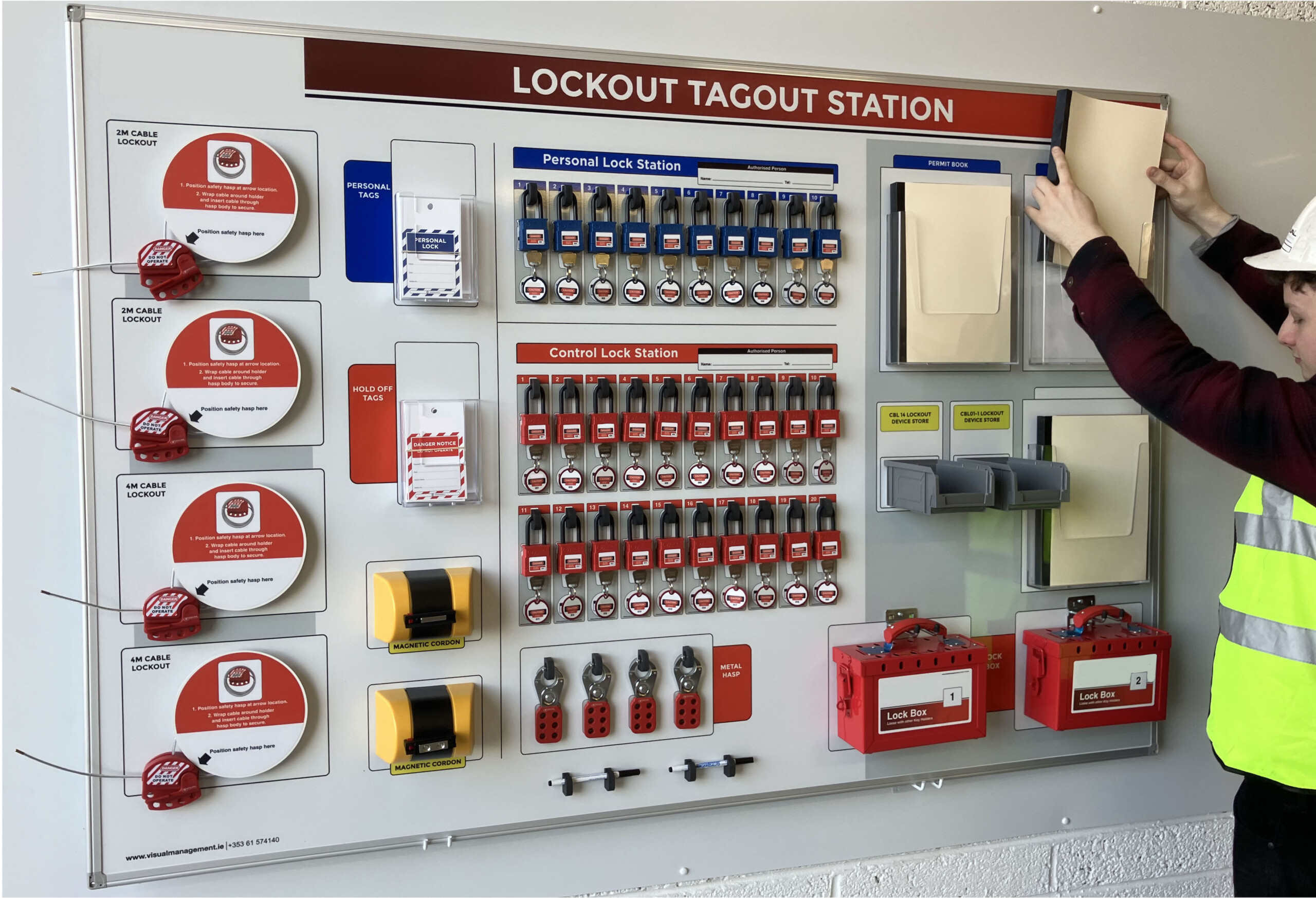
A lockout tagout station is a designated physical location where all LOTO devices, tags, locks, and instructions are stored and organized. It serves as the starting point for any energy isolation procedure. Think of it as the “safety hub” for maintenance activities.
These stations typically include: - Hasp and lock sets - Valve and breaker locks - Warning tags - Procedure sheets - Staff identification boards
Unlike ad-hoc storage in toolboxes or wall cabinets, a LOTO station is standardized, visible, and often color-coded. Its placement near high-risk machinery or maintenance zones ensures quick access when time matters.
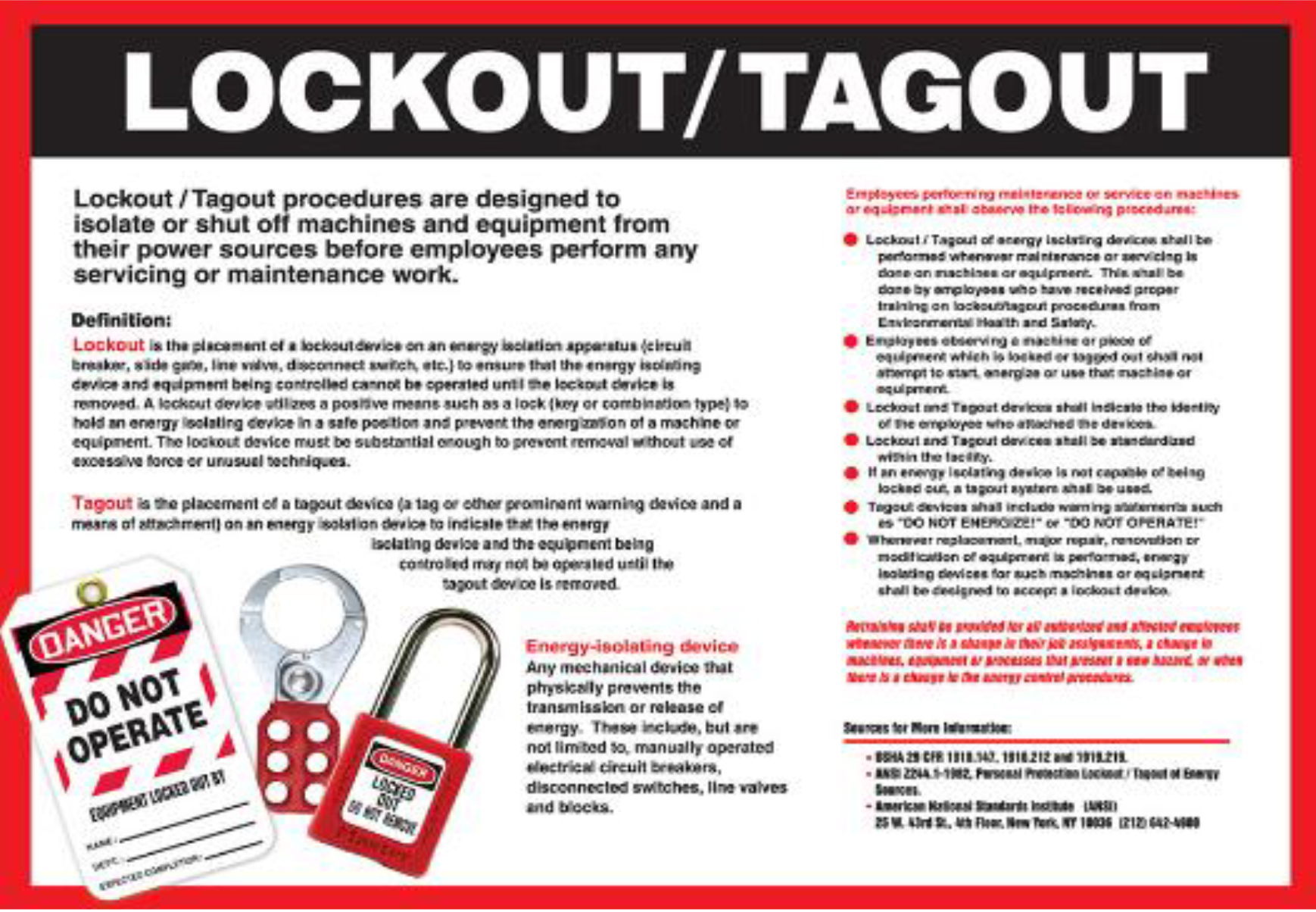
In OSHA terms, it supports compliance with 29 CFR 1910.147—the Control of Hazardous Energy standard. A missing or poorly maintained station can turn a routine repair into a citation or worse, a fatality.
Why Your Facility Needs a Dedicated LOTO Station
You can’t safeguard what you can’t control. Many organizations rely on individual technicians to carry their own locks and tags. But this decentralized approach leads to gaps: - Lost or damaged equipment - Inconsistent tag formats - Unauthorized lock removal - No record of who applied locks
A centralized station fixes these problems by standardizing tools and procedures.
Real-World Impact: The Hidden Cost of Poor LOTO Management
Consider a Midwest manufacturing plant cited for $115,000 after an employee’s arm was caught in a jammed feeder. Investigation revealed no central LOTO system—workers used personal locks, but no one documented energy sources or verified isolation.
Had a proper lockout tagout station been in place with clear procedures and accountability logs, the incident may have been avoided. The station isn’t just about storing gear—it’s about creating a culture of verification.
Key Components of an Effective LOTO Station
Not all stations are created equal. A cluttered cabinet with mismatched locks won’t pass an audit or protect your team. Here’s what matters:
1. Standardized Lockout Devices Use only keyed-alike or keyed-different locks depending on your policy. Group lockout hasps allow multiple workers to apply individual locks to a single energy point.
2. Tagout Tags with Clear Warnings Tags must include:
- Employee name
- Department
- Date and time applied
- Reason for lockout
- Contact information
OSHA doesn’t require tags to be durable, but in practice, they must survive grease, moisture, and sunlight. Vinyl or laminated tags last longer.
3. Energy Isolation Tools Stations should include:
- Circuit breaker locks
- Valve lockouts (ball, gate, needle)
- Plug locks
- Pneumatic and hydraulic isolators
Mismatched tools lead to improvised (and unsafe) solutions—like tying rags around valves.
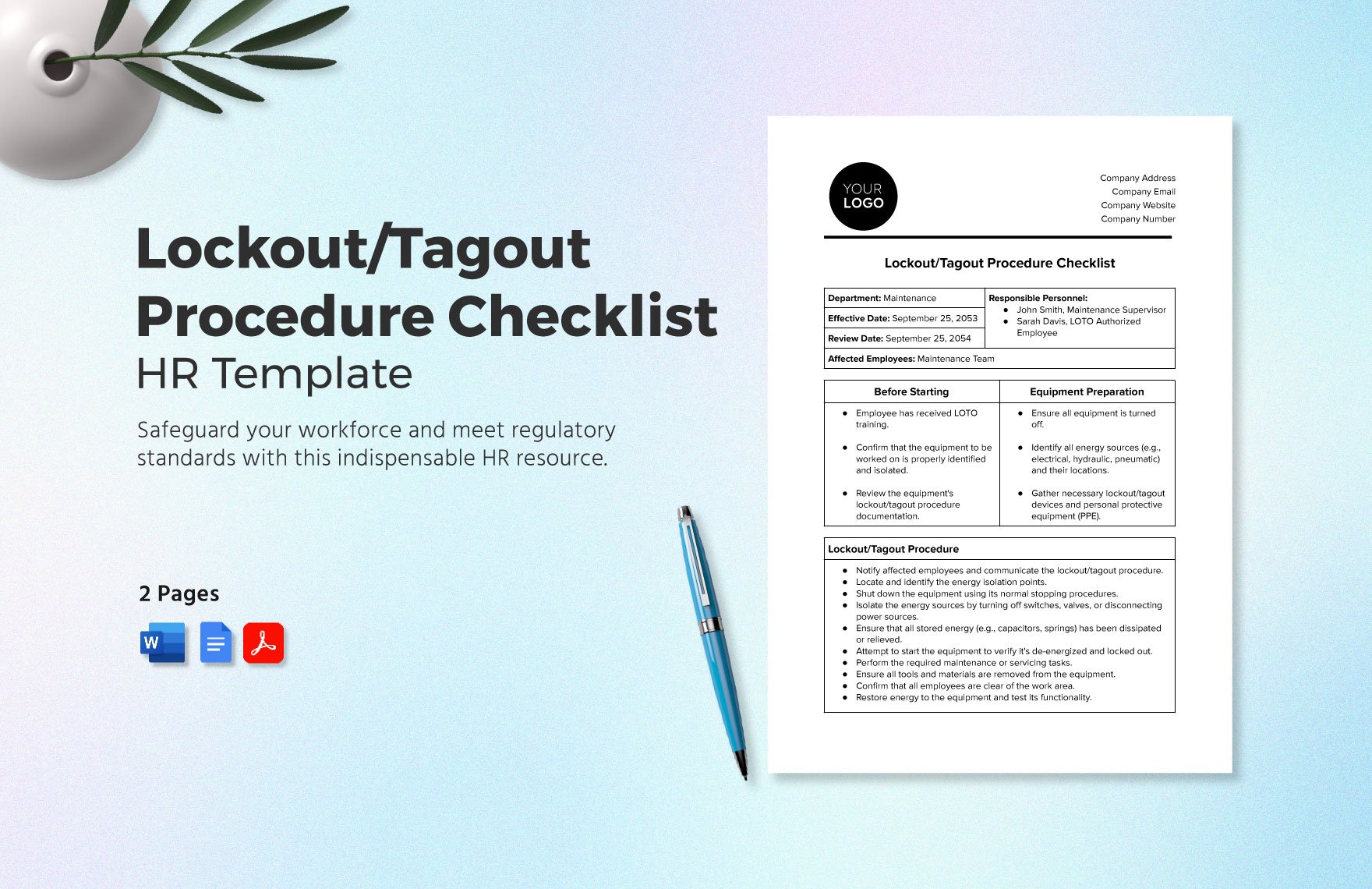
4. Procedure Binders or Digital Access Each machine should have a documented LOTO procedure stored at or linked from the station. These must be reviewed annually and updated after changes.
5. Employee Rosters and Accountability Boards Visual boards showing who is currently performing lockout help supervisors verify clearance before restart. Some advanced stations integrate QR codes for digital tracking.
Where to Place Your Lockout Tagout Station
Location determines usage. A station locked in a safety office is useless during a midnight repair. Optimal placement follows three rules:
- Proximity to High-Risk Equipment
- Place within 50 feet of machines with multiple energy sources (electrical, hydraulic, pneumatic, thermal).
- High Visibility and Accessibility
- Avoid corners, behind doors, or near loud machinery. Use floor markings and overhead signs.
- Environmental Protection
- In wet or corrosive areas, use NEMA-rated enclosures. Outdoor stations need weather-resistant construction.
For large facilities, consider multiple satellite stations instead of one central hub. A paper mill, for example, might have separate stations for pulping, drying, and cutting lines—each tailored to the equipment on that floor.
Common Mistakes in LOTO Station Setup Even experienced safety managers make these errors:
❌ Using Personal Locks Only Personal locks are part of LOTO, but relying solely on them defeats standardization. Centralized stations ensure everyone uses the same quality tools.
❌ Mixing Lock Colors Indiscriminately Color-coding matters: red for electrical, yellow for mechanical, blue for pneumatic. Mixed use causes confusion during emergencies.
❌ Skipping Procedure Updates A 10-year-old LOTO procedure for a retrofitted machine is a liability. Stations should prompt review cycles—quarterly or after maintenance.
❌ Poor Training Integration A station with no training on how to use it is decoration. New hires should complete a LOTO drill using the actual station.
One auto parts plant reduced incidents by 70% after adding training kiosks next to their LOTO stations—proving that proximity to learning matters.
Top 5 Lockout Tagout Stations on the Market
Not all stations fit every need. Here are five reliable options, vetted for durability, compliance, and usability:
| Product | Capacity | Key Features | Best For |
|---|---|---|---|
| Brady B-LOTO20 | 20 locks | Modular design, digital tag printer compatibility | Mid-sized manufacturing |
| Grainger 4V804 | 15 locks | Weather-resistant, wall-mount | Outdoor or washdown areas |
| Master Lock 1840DAT | 10 locks + digital log | Cloud-connected lock tracking | Facilities using digital audits |
| Seton 6SP456 | 25 locks | Includes procedure binders, employee board | High-traffic industrial sites |
| Honeywell S102LOTO | 12 locks | ANSI-compliant, anti-corrosion coating | Chemical and pharma plants |
Choose based on team size, environmental conditions, and integration needs. A digital tracking system pays off in audits and incident investigations—even if it costs more upfront.
How to Audit and Maintain Your LOTO Station

A station degrades without oversight. Monthly checks should include:
- Inventory count – Are all locks, tags, and hasps present?
- Condition check – Are tags faded? Are locks stiff or damaged?
- Procedure accuracy – Do written steps match current equipment?
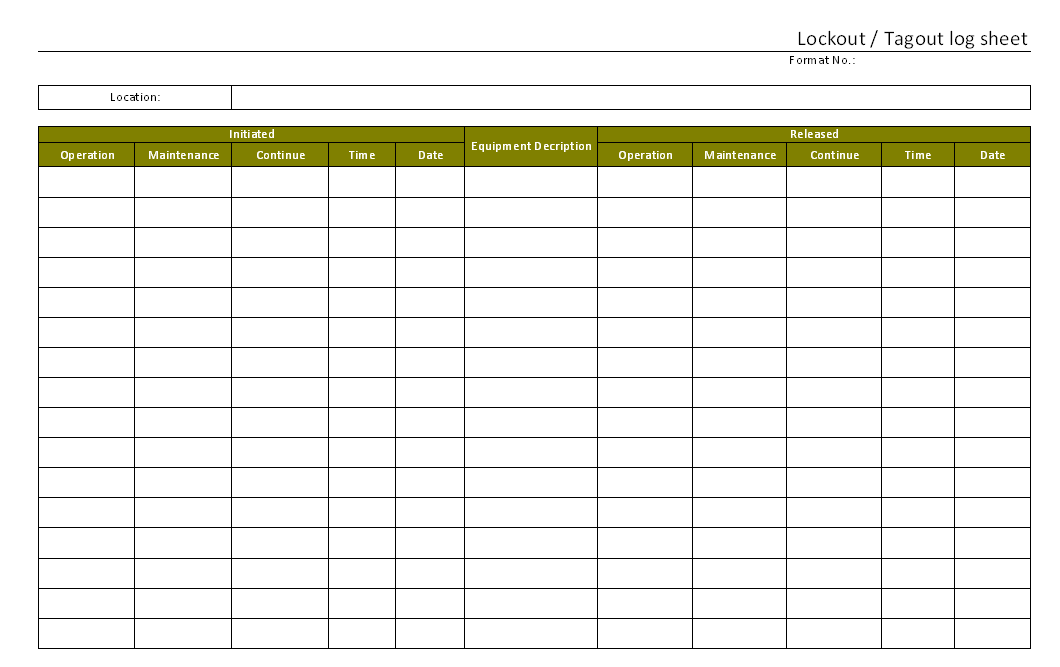
- Usage logs – Is there evidence of recent application?
OSHA requires annual program audits. Use this checklist during inspections:
✅ Are locks uniquely identifiable to employees? ✅ Are energy-isolating devices capable of being locked out? ✅ Is the station accessible 24/7 to authorized personnel? ✅ Are supervisors verifying de-energization before restart? ✅ Are contractors included in LOTO training?
One semiconductor plant failed an audit because their station had outdated tags without QR codes required by internal policy. Small details have big consequences.
Integrating LOTO Stations into Daily Workflow
The best station gathers dust if workers bypass it. Make it part of the routine:
- Require sign-in at the station before any maintenance.
- Link lock checkout to work orders in CMMS systems.
- Use peer verification – a second technician confirms lock placement.
- Conduct surprise drills – simulate a restart attempt to test response.
At a food processing facility, supervisors start each shift with a 5-minute LOTO review at the station. Workers point to their assigned lock and confirm readiness. This ritual reinforces ownership and vigilance.
Final Thoughts: Build a LOTO Station That Works
A lockout tagout station isn’t a box you install and forget. It’s a living system tied to training, culture, and continuous improvement. The goal isn’t just to pass an audit—it’s to ensure that every technician returns home unharmed.
Start by mapping your high-risk zones. Choose a station with room to grow. Train relentlessly. Audit honestly. And treat every lock applied as a promise: this machine stays off until everyone is safe.
Equip your team, standardize your tools, and make the LOTO station the most important checkpoint in your facility.
FAQ
What is the purpose of a lockout tagout station? It centralizes all LOTO devices and procedures, ensuring standardized, accessible, and accountable energy control during maintenance.
Where should a LOTO station be located? Near high-risk machinery, within easy reach of maintenance teams, and in a visible, protected area—ideally within 50 feet of equipment.
Can a LOTO station be digital? While physical stations are standard, digital enhancements like QR-coded tags or cloud-based logs can supplement, but not replace, physical controls.
Who is responsible for maintaining the LOTO station? The safety manager or designated supervisor, with input from maintenance leads and regular audits.
Do all employees need their own lock? Yes, each authorized employee must have a personal lock with their name and contact info, used only by them.
Are tags required if locks are used? Yes. Tags provide critical information—name, reason, time—so others know why equipment is locked and who to contact.
How often should LOTO stations be inspected? Monthly for inventory and condition, and annually as part of the full energy control program audit.
FAQ
What should you look for in Lockout Tagout Station Essentials for Workplace Safety? Focus on relevance, practical value, and how well the solution matches real user intent.
Is Lockout Tagout Station Essentials for Workplace Safety suitable for beginners? That depends on the workflow, but a clear step-by-step approach usually makes it easier to start.
How do you compare options around Lockout Tagout Station Essentials for Workplace Safety? Compare features, trust signals, limitations, pricing, and ease of implementation.
What mistakes should you avoid? Avoid generic choices, weak validation, and decisions based only on marketing claims.
What is the next best step? Shortlist the most relevant options, validate them quickly, and refine from real-world results.