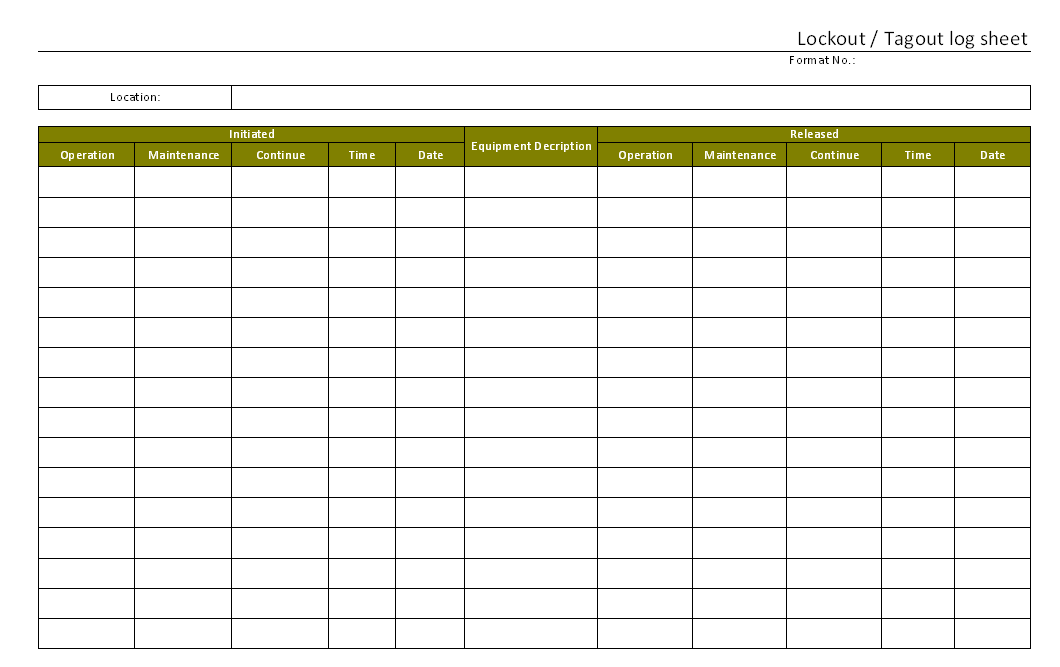
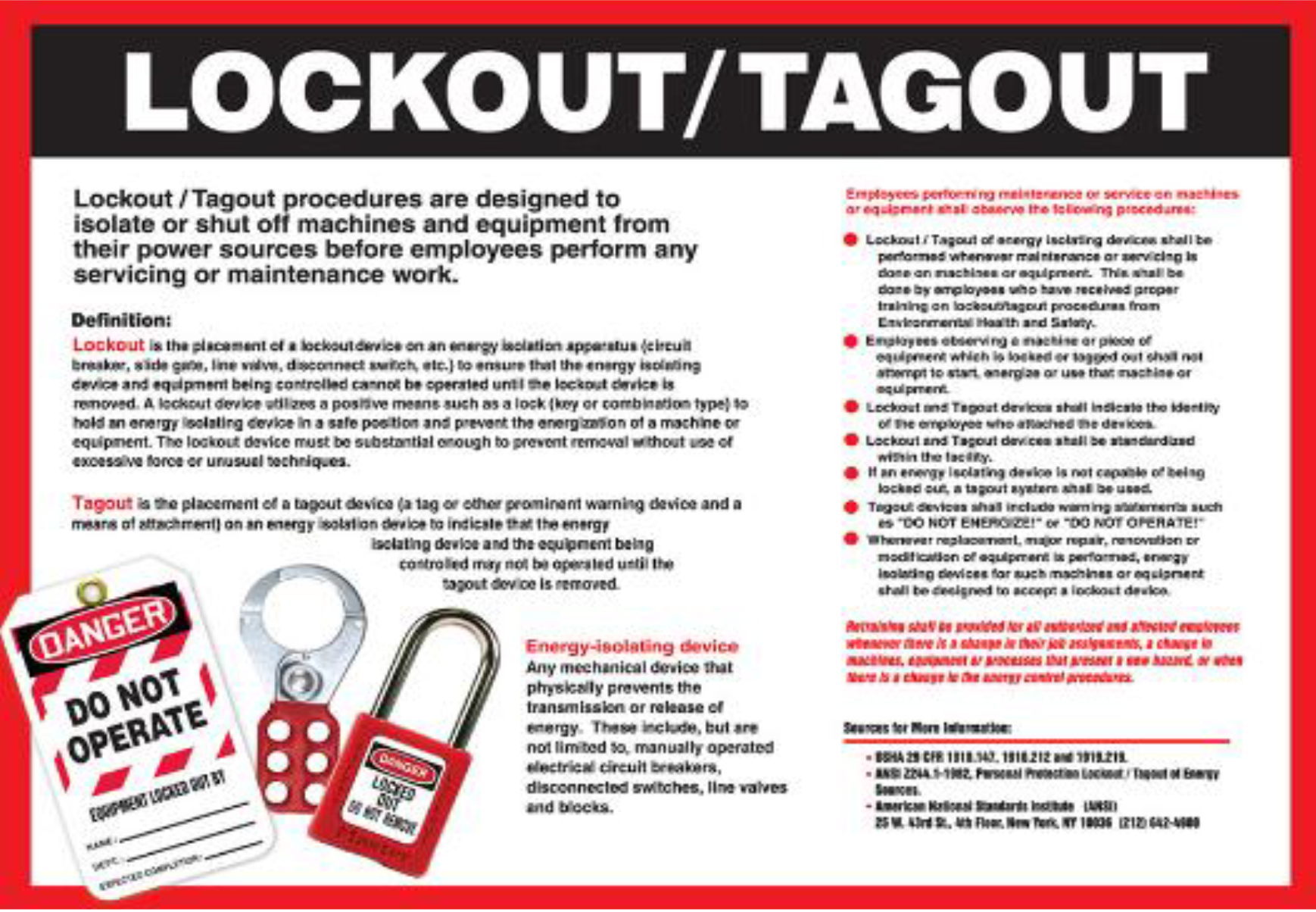
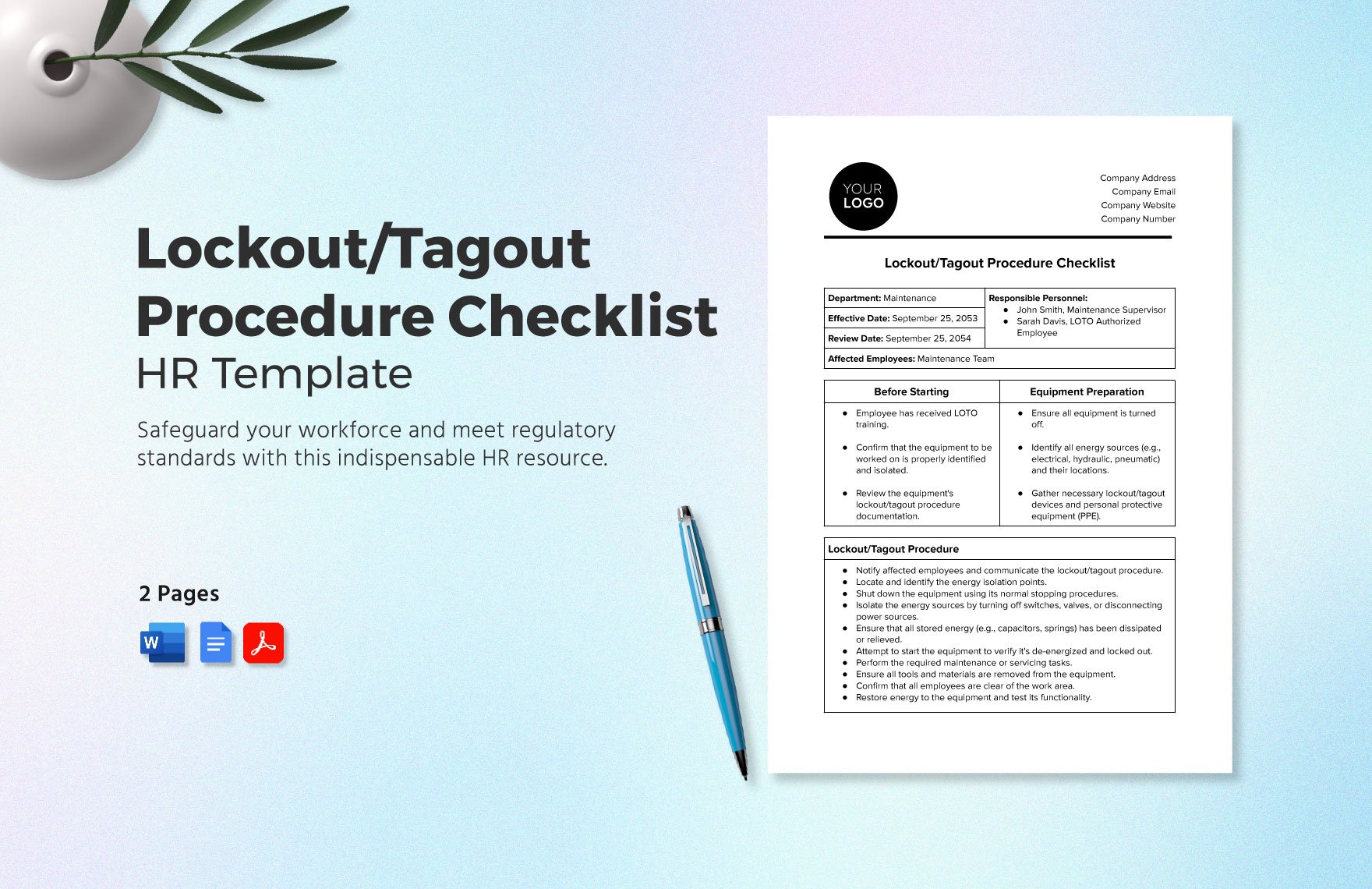
In a manufacturing plant, a technician reaches into a jammed conveyor belt. The machine wasn’t properly de-energized. Seconds later, a life-altering injury occurs. This isn’t rare. According to OSHA, nearly 10% of serious industrial accidents stem from uncontrolled energy during servicing. At the heart of preventing such tragedies? Lockout tagout locks and keys.
These aren’t just tools—they’re engineered safeguards that enforce accountability, isolate energy sources, and protect lives. For facility managers, safety officers, and maintenance teams, understanding the right types, applications, and best practices for LOTO locks and keys isn’t optional. It’s a non-negotiable element of operational integrity.
Why Lockout Tagout Locks Are Non-Negotiable
Lockout tagout (LOTO) is a safety procedure used to ensure that dangerous machines and energy sources are properly shut off and isolated before maintenance or servicing. Lockout locks and their corresponding keys play the pivotal role of physically preventing re-energization.
Without a lock, a switch or valve can be accidentally turned on. With a standardized LOTO lock in place, only the authorized employee holding the key can restore power. This personal accountability stops shortcuts and minimizes human error.
Consider a real-world case: in a Midwest auto parts plant, a technician locked out a hydraulic press using a group lockout board. Later, another worker attempted to restart the system. The lock physically blocked access to the start circuit—preventing not just an accident, but potential fatalities. That single lock enforced procedural discipline.
These locks are designed for durability—resisting corrosion, heat, and tampering. Whether it's a padlock on an electrical panel or a valve lock on a steam line, the principle remains: if it can be energized, it must be lockable.
Types of Lockout Locks and Where They’re Used
Not all LOTO locks are the same. The right choice depends on the energy source, environment, and access point. Here’s a breakdown of the most common types:
#### 1. Safety Padlocks These are the backbone of most LOTO programs. Made from non-conductive materials (like nylon or polycarbonate), they resist electricity and harsh conditions. Keyed-alike and keyed-different models allow flexibility—individual control or team access.
- Use case: Locking out circuit breakers, disconnect switches, or control panels.
- Tip: Assign each worker a personal lock with their name, photo, and contact info on the tag.
#### 2. Valve Lockouts Designed to secure gate, ball, and butterfly valves, these locks prevent accidental opening of gas, steam, or chemical lines.
- Example: A maintenance team servicing a boiler system uses a ball valve lock to secure the fuel supply line. Even if someone flips a switch, the fuel can't flow.
- Limitation: Must match valve handle shape—always verify dimensions.
#### 3. Circuit Breaker Locks These snap or clamp over breaker handles, preventing toggling during electrical work.
- Pro tip: Use color-coded breakers—red for high voltage, yellow for medium—to speed up identification during emergency shutdowns.
#### 4. Plug Lockouts Used to secure electrical cords at outlets. Common in facilities with portable machinery.
- Real scenario: A floor buffer is being repaired. The plug lock ensures no one plugs it in while the motor housing is open.
#### 5. Group Lockout Hasps Allow multiple workers to apply their individual locks to a single energy isolation point. Critical during team maintenance.
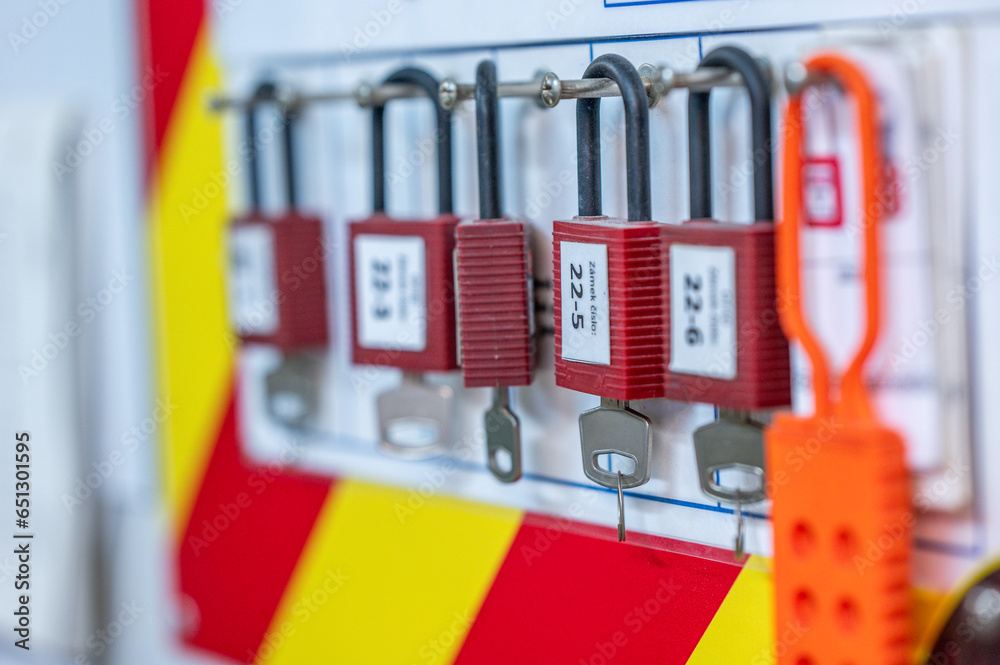
- Workflow insight: One technician might handle electrical, another mechanical. Each applies their lock. Power can't be restored until all locks are removed.
The Role of Keys in LOTO Programs
Keys might seem like an afterthought, but they’re central to control and traceability.
Most LOTO padlocks are designed with restricted key systems—meaning duplicates can’t be made at a hardware store. Only authorized personnel can request replacements through the manufacturer or internal safety office. This prevents unauthorized access and ensures chain-of-custody.
Two common key strategies:
- Key Retention Locks: The key remains trapped in the lock until the device is secured. For example, a circuit breaker lock only releases the key when the breaker is fully off and locked. This ensures the correct sequence: shut down → lock → retrieve key.
- Key Interlock Systems: More advanced setups use mechanical or electronic key exchanges. One lock’s key is needed to unlock the next step in a process, forcing compliance with a specific servicing order.
A food processing plant once adopted a key interlock system for its sterilization chamber. Workers had to lock out the heat source, then use that lock’s key to access the door interlock. No skipping steps. No exposure to 250°F steam.
Common Mistakes That Undermine LOTO Lock Effectiveness
Even with the best hardware, human behavior can compromise safety. Here are frequent missteps:
- Using Personal Locks Not Rated for Industrial Use: A standard hardware store padlock might shatter under heat or conduct electricity. Always use OSHA-compliant safety locks.
- Sharing Locks or Keys: Each worker must use their own lock. “Buddy locking” defeats accountability. If two people use one lock and one leaves, the other can’t proceed safely.
- Locking the Wrong Point: Locking a secondary switch instead of the main disconnect leaves energy in the system. Always verify zero energy with a voltage tester after locking.
- Ignoring Stored Energy: Springs, capacitors, or elevated loads can release energy even after power is cut. Locks must be part of a broader energy control plan.
- Failing to Train New Hires: A temporary worker unfamiliar with LOTO procedures is a liability. Training must be hands-on and recurrent.
A 2022 incident at a paper mill revealed that a technician bypassed a lockout because “it slowed down production.” The machine cycled unexpectedly. The result: crushed fingers and a six-figure OSHA fine. Culture matters as much as hardware.
Choosing the Right Lockout Locks and Key System
Selecting LOTO equipment isn't about price—it’s about fit, durability, and compliance.
Ask these questions before purchasing:
- What energy types are present? (Electrical, pneumatic, hydraulic, thermal)
- What environmental conditions exist? (Moisture, chemicals, extreme temps)
- How many authorized employees perform maintenance?
- Do you need individual or group lockout capability?
Top-tier LOTO locks meet ANSI/ASSE Z358.1 and OSHA 29 CFR 1910.147 standards. Look for:
- Non-conductive bodies
- Corrosion-resistant shackles (brass or stainless steel)
- Universal attachment points (fits hasps, breakers, valves)
- Tamper-evident tags with space for notes
Color coding boosts efficiency. Red for electrical, blue for pneumatic, green for mechanical. A glance tells workers what’s isolated.
Top 5 Lockout Lock and Key Systems in 2024

| Brand | Product | Key Features | Best For |
|---|---|---|---|
| Grace Industries | GSW-5 Safety Padlock | 38mm nylon body, 8mm shackle, keyed-alike options | High-voltage lockout, team operations |
| Master Lock | 4684QDAF ProSeries Padlock | Dual-pin cylinder, weather-resistant, OSHA-compliant | Outdoor equipment, humid environments |
| Safeguard | SG-VL1 Ball Valve Lock | Adjustable clamp, fits 0.5”–1.25” handles | Chemical and steam systems |
| Bernard | Circuit Breaker Lockout Kit | Universal fit for 1–3 pole breakers | Electrical panels, industrial control rooms |
| Ideal Industries | LOTO Station with Key Management | 10-lock hasp, key rack, storage for tags and locks | Centralized lockout procedures |
Each of these supports scalability and compliance. For larger facilities, modular systems that integrate with digital LOTO software are emerging—but physical locks remain the legal standard for energy isolation.
How to Integrate LOTO Locks Into Your Safety Workflow
A lock is only as good as the procedure behind it. Effective integration looks like this:
- Identify Energy Sources: Map every machine’s power inputs—electrical, hydraulic, etc.
- Shut Down Properly: Follow machine-specific shutdown sequences.
- Isolate and Lock: Apply the correct lock to each energy point.
- Verify Zero Energy: Test circuits, bleed lines, lower loads.
- Tag the Lock: Include name, time, reason, and contact.
- Service the Equipment: Only after all steps are confirmed.
- Remove Locks Personally: Only the person who applied the lock removes it.
A pharmaceutical plant reduced maintenance incidents by 72% after implementing a LOTO audit checklist that required photo verification of each locked point via tablet. Digital oversight strengthened physical compliance.
Final Word: Locks Are the Last Line of Defense
Lockout tagout locks and keys aren’t accessories—they’re final safeguards between workers and catastrophic energy release. The right lock, used correctly, turns a high-risk task into a controlled procedure.
But hardware alone isn’t enough. Combine durable, compliant locks with rigorous training, clear procedures, and a culture that prioritizes safety over speed. Audit your LOTO program quarterly. Replace worn locks immediately. Empower every technician to stop work if a lock is missing or misapplied.
Your team’s safety doesn’t depend on one action. It depends on a system—anchored by a simple, unbreakable rule: no lock, no work.
FAQ
What makes a lockout padlock different from a regular padlock? LOTO padlocks are made from non-conductive materials, have tamper-resistant keys, and are often color-coded. They’re designed to work in industrial environments and comply with OSHA standards.
Can one person use multiple lockout locks? Yes. A single technician may need to isolate multiple energy sources on one machine—each requiring its own lock.
Are keyed-alike LOTO locks safe? Yes, when used appropriately. They’re useful for group lockouts or shift changes, but each worker should still use their personal lock whenever possible.
Do lockout locks need to be individually labeled? Yes. Each lock should be tagged with the worker’s name, department, and reason for lockout to ensure accountability.
Can digital systems replace physical LOTO locks? No. OSHA requires a physical lock to isolate energy. Digital tools can support the process but can’t replace the lock.
What happens if a worker loses their lock key? The lock must be removed under supervision, typically by a safety officer, using a documented override procedure. Never cut a lock without authorization.
Are OSHA inspections focused on LOTO compliance? Yes. LOTO violations consistently rank in OSHA’s Top 10 most-cited standards. Inspectors check for proper locks, tags, procedures, and employee knowledge.
FAQ
What should you look for in Lockout Tagout Locks and Keys: Safety Essentials for Every Workplace? Focus on relevance, practical value, and how well the solution matches real user intent.
Is Lockout Tagout Locks and Keys: Safety Essentials for Every Workplace suitable for beginners? That depends on the workflow, but a clear step-by-step approach usually makes it easier to start.
How do you compare options around Lockout Tagout Locks and Keys: Safety Essentials for Every Workplace? Compare features, trust signals, limitations, pricing, and ease of implementation.
What mistakes should you avoid? Avoid generic choices, weak validation, and decisions based only on marketing claims.
What is the next best step? Shortlist the most relevant options, validate them quickly, and refine from real-world results.